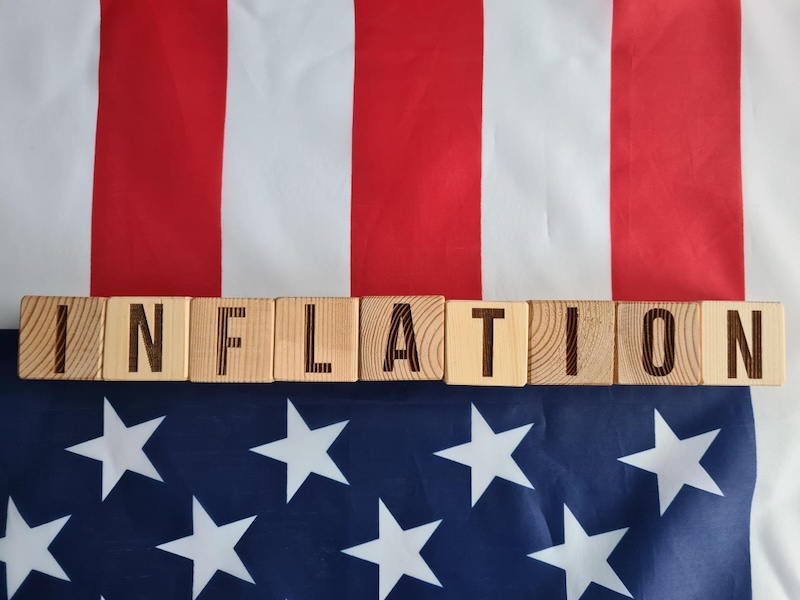

As the U.S. national debt crosses $36 trillion and the federal government faces the need to refinance nearly one-third of that total, the implications for investors—and the stability of the financial system—are impossible to ignore. Against this backdrop of ballooning deficits, rising interest payments, and political pressure on the Federal Reserve, many Americans are turning to gold and silver as a hedge against economic uncertainty.
According to a second-quarter report from the Treasury Department’s Office of Debt Management, approximately 31.4% of U.S. government debt—equivalent to more than $11 trillion—will come due and require refinancing within the next 12 months. That means the U.S. will be issuing trillions of dollars in new debt amid elevated interest rates, increasing the financial burden of debt service for years to come.
Debt Servicing Now Outpaces Defense and Medicare
The cost of servicing the national debt has soared in recent years as the Federal Reserve raised interest rates to combat the worst inflation in four decades. In fiscal year 2024, the federal government paid $949 billion in interest—a 34% increase year-over-year. That total now exceeds discretionary spending on both the Department of Defense and Medicare.
For investors, this trend is a flashing red light. As the cost of interest payments crowds out other priorities, the federal budget deficit continues to widen—on track to hit $1.9 trillion in fiscal 2025. The risk of fiscal imbalance has prompted many wealth managers to advise clients to increase allocations to precious metals, especially physical gold and silver, as insurance against systemic risk.
Trump’s Push for Rate Cuts: Political Volatility Meets Economic Reality
President Donald Trump has repeatedly criticized Fed Chair Jerome Powell, whom he appointed in 2017, for not cutting interest rates fast enough. Labeling Powell as “Mr. Too Late,” Trump has argued that the Fed’s inaction is costing the U.S. “hundreds of billions of dollars” in excess debt servicing costs.
While the Fed has held its benchmark federal funds rate steady through four consecutive meetings in 2025, Powell has made clear that any future rate changes will be data-dependent. That uncertainty—combined with Trump’s calls to slash rates—adds a layer of political volatility to already tense economic conditions.
Even if rate cuts do materialize later this year, the refinancing of short-term debt at current or near-current rates means higher interest expenses are already locked in. The fiscal damage is done—and likely to be felt for decades.
What This Means for Retirement Investors
The growing federal debt, coupled with structural entitlement spending on Social Security and Medicare, suggests that long-term inflation and currency devaluation risks remain elevated—even if current CPI readings appear subdued.
That’s why investors are increasingly revisiting time-tested inflation hedges like gold and silver. Unlike fiat currency, precious metals carry no counterparty risk. They are not subject to monetary policy manipulation and have a historical track record of retaining value through debt crises, inflationary shocks, and market downturns.
From central banks to individual investors, demand for gold bullion and silver coins continues to climb, especially as global instability—from war in Eastern Europe to strained U.S.-China relations—drives a flight to safety.
The Bottom Line
The convergence of political uncertainty, exploding debt, and elevated interest payments has put the U.S. economy on an unsustainable fiscal path. While policymakers debate rate cuts and budget reforms, individual investors are increasingly focused on portfolio protection and diversification.
If you’re concerned about how these macroeconomic trends could impact your retirement savings, now may be the time to explore your options in precious metals. Diversifying your portfolio with gold and silver is more than a defensive strategy—it’s a proactive move toward financial resilience.
To learn more about investing in gold and silver for long-term wealth protection, contact a specialist at GoldenCrest Metals. Our team is here to help you understand your options and guide you through the process of diversifying your retirement portfolio with physical precious metals.
Source:
https://www.foxbusiness.com/economy/nearly-one-third-36t-national-debt-needs-refinancing-trump-demands-rate-cuts