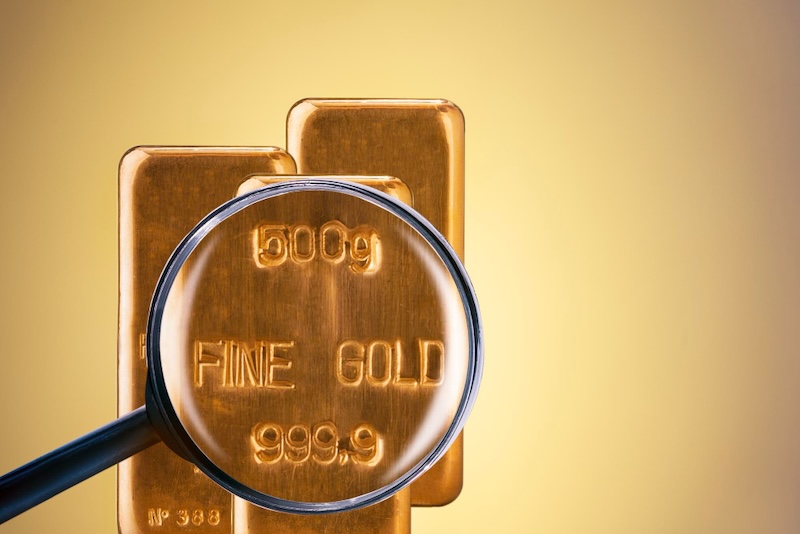

Gold and silver prices are climbing to historic levels as investors reassess risk across global markets. With geopolitical tensions escalating, trade relationships under strain, and confidence in traditional assets wavering, precious metals are once again asserting their role as core defensive holdings.
Recent price action reflects more than short-term speculation. Instead, it signals a broader shift in how investors are positioning portfolios in response to mounting political, economic, and monetary uncertainty — particularly as the United States applies renewed pressure on Europe through tariffs and foreign policy brinkmanship.
Why Are Gold and Silver Prices Rising Right Now?
Gold and silver tend to perform well during periods of uncertainty, and the current environment offers no shortage of catalysts.
Several factors are converging at once:
-
Escalating trade tensions between the U.S. and Europe
-
Heightened geopolitical rhetoric involving Greenland, Iran, Venezuela, and Eastern Europe
-
Ongoing conflicts in Ukraine and the Middle East
-
Questions surrounding U.S. monetary policy independence
-
Expectations that real interest rates may decline
Together, these developments are driving investors away from risk-heavy assets like equities and toward tangible stores of value.
How Tariffs and Trade Tensions Impact Precious Metals
Trade policy has re-emerged as a major market driver. The threat of new tariffs on European goods — with the possibility of escalation if negotiations fail — has unsettled global equity markets, particularly in sectors sensitive to international trade.
Historically, tariffs introduce uncertainty into supply chains, corporate earnings, and global growth forecasts. As volatility rises, capital often rotates into assets perceived as politically neutral and historically resilient — namely gold and silver.
Precious metals benefit not because they generate yield, but because they exist outside the influence of corporate balance sheets and government policy decisions.

Gold’s Role as a Strategic Reserve Asset
Central banks have been steadily increasing their gold holdings over the past several years, a trend that appears to be accelerating rather than reversing.
Gold’s appeal lies in its ability to:
-
Preserve purchasing power over long periods
-
Reduce reliance on fiat currencies
-
Act as a hedge against political and monetary instability
As governments diversify reserves and investors anticipate a future with looser monetary conditions, gold prices are finding structural support rather than speculative momentum alone.
Silver’s Dual Role: Monetary Metal and Industrial Asset
Silver’s surge is particularly notable because it plays two roles simultaneously.
On one hand, silver shares gold’s safe-haven characteristics. On the other, it benefits from long-term industrial demand tied to:
-
Energy infrastructure
-
Electronics
-
Data centers
-
Renewable technologies
This dual demand profile can amplify price movements during periods of economic transition. When uncertainty rises while infrastructure demand remains intact, silver often experiences outsized gains relative to gold.
What Falling Real Interest Rates Mean for Metals
Precious metals are highly sensitive to real interest rates — the return investors receive after accounting for inflation.
When real rates fall or are expected to decline:
-
The opportunity cost of holding non-yielding assets decreases
-
Cash and bonds become less attractive
-
Gold and silver prices often rise
Market expectations that central banks may eventually ease policy — whether due to political pressure or slowing growth — are reinforcing demand for metals as long-term portfolio stabilizers.
Why Equity Markets Are Feeling the Pressure
While gold and silver surged, several equity sectors moved sharply lower. European automakers and luxury brands were among the most affected, reflecting investor concerns about tariffs, retaliatory measures, and reduced global demand.
This divergence highlights a familiar pattern: when confidence in growth assets weakens, capital often migrates toward assets that historically perform well during stress.
Are Gold and Silver Overextended at These Levels?
Despite reaching record highs, many analysts argue that current prices remain supported by fundamentals rather than excess speculation.
Key considerations include:
-
Strong central bank demand
-
Persistent geopolitical instability
-
Structural concerns about sovereign debt levels
-
Long-term currency debasement risks
Rather than signaling an imminent reversal, elevated prices may reflect a repricing of risk in a more fragmented global economy.
How Investors Are Using Precious Metals Today
Modern investors use gold and silver differently than in past decades. Rather than speculative trades, metals are increasingly positioned as:
-
Portfolio insurance
-
Long-term stores of value
-
Hedging tools against policy uncertainty
This shift toward strategic ownership helps explain why demand has remained resilient even as prices climb.
Frequently Asked Questions About Gold and Silver Prices
Why do gold and silver rise during geopolitical uncertainty?
Gold and silver are not tied to any government or corporation. During uncertainty, investors seek assets that are less exposed to political risk and currency fluctuations.
Is gold still considered a safe-haven asset?
Yes. Gold has historically preserved value during periods of inflation, conflict, and financial instability.
Does silver move differently than gold?
Silver often experiences greater volatility because it has both monetary and industrial demand, which can amplify price swings.
Can gold prices fall even during uncertain times?
Short-term pullbacks can occur, but long-term trends are typically supported when uncertainty persists.
How do interest rates affect precious metals?
Lower real interest rates reduce the opportunity cost of holding gold and silver, often supporting higher prices.
What This Means for Long-Term Investors
The surge in gold and silver prices underscores a broader shift in global risk perception. Rather than reacting to a single headline, investors appear to be positioning for a prolonged period of uncertainty — one where diversification and capital preservation take precedence over aggressive growth strategies.
Speak With a Precious Metals Specialist
If you’re evaluating how physical gold or silver may fit into your broader retirement or investment strategy, speaking with a knowledgeable specialist can help clarify your options.
Call GoldenCrest Metals at (833) 426-3825 to request an investor information kit or have a no-obligation conversation about precious metals ownership.
Disclaimer
This article is for educational purposes only and should not be considered financial, investment, or tax advice. Precious metals involve risk, and market conditions can change. Always consult with a qualified financial professional before making investment decisions.