
Executive Summary
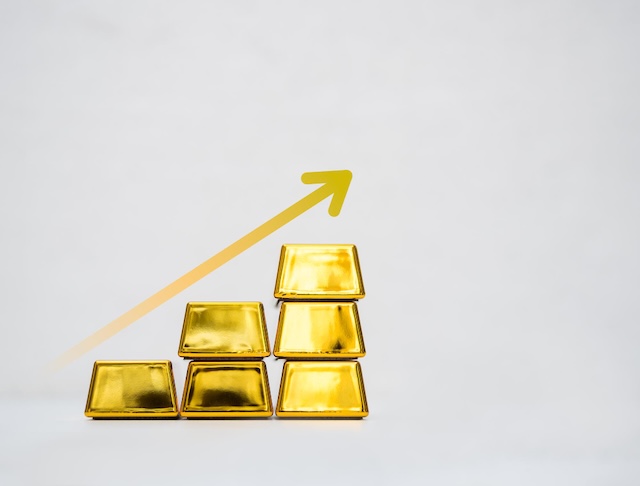
The Gold Price Forecast has taken a dramatic turn as Bank of America issues an aggressive target of $6,000 per ounce. Driven by a 2% decline in mining output and a surge in central bank demand, the yellow metal is transitioning from a defensive hedge to a primary source of portfolio alpha. For investors, this shift suggests that a 20% to 30% allocation in precious metals may be necessary to outpace market volatility in the coming year.
The latest Gold Forecast suggests that the psychological barrier of $5,000 is merely a stepping stone. Bank of America analysts project gold will reach $6,000 per ounce by spring 2026. This represents a 20% increase over current record highs. This bullish outlook is grounded in historical cycles where gold rallies have averaged 300% returns over 43-month periods.
Supply Constraints Impacting the Gold Price Forecast
A critical component of the Gold Price Forecast is the tightening of global supply. North American gold miners are expected to produce 19.2 million ounces this year—a 2% decline from 2025. With “All-In Sustaining Costs” (AISC) rising to $1,600 per ounce, the cost of bringing gold to market is creating a high floor for valuations, making the $6,000 target increasingly plausible for long-term investors.
Portfolio Diversification
The traditional 60/40 portfolio is under siege, and the Gold Price Forecast offers a roadmap for reallocation. While high-net-worth individuals currently hold only 0.5% of their assets in gold, analysts suggest that a shift toward a 20% to 30% gold allocation is now justifiable. Central banks are already leading this charge, with gold reserves now surpassing U.S. Treasury holdings in many jurisdictions.
Institutional Under-Investment
Despite the rally, the market remains statistically under-invested. According to Bank of America’s Michael Widmer, it would take only a 14% increase in investment demand to satisfy the current Gold Price Forecast of $6,000. Should demand surge by 55%, some models suggest even higher targets are possible. This “alpha” potential is causing a massive rotation from paper assets into physical Gold IRAs.

Silver and the Broader 2026 Metals Outlook
While the primary focus remains on the Gold Price Forecast, silver presents a high-beta opportunity for those with a higher risk tolerance. With a gold:silver ratio of 59:1, silver is positioned to potentially outperform gold. If gold reaches the projected $6,000 mark, silver could see a historic run toward $135 or higher, further validating the move toward diversified precious metals portfolios.
FAQ: Understanding the Gold Price Forecast
What drives the Gold Price Forecast to $6,000? The forecast is driven by declining mine production, rising operational costs, and a fundamental rotation of central bank reserves away from fiat currencies and into physical gold.
Is it too late to act on the Gold Price Forecast? Current data suggests institutional investors are still in the early stages of reallocation. Most professional portfolios are significantly under-exposed to gold compared to historical bull market peaks.
How does this forecast affect my Precious Metals IRA? A rising price forecast increases the urgency of “locking in” positions before the projected spring rally. A Gold IRA allows you to capture these gains tax-deferred.
Secure Your Retirement Strategy
The data behind the Gold Price Forecast indicates that the era of “non-yielding gold” is over. As gold becomes a primary driver of portfolio performance, the time to consult with an expert is now.
Speak with a GoldenCrest Metals specialist today to learn how to position your retirement for the projected surge.
📞 Call 833-426-3825 to receive your complimentary Wealth Protection Guide.
Sources:
Disclosure: This content was developed with the assistance of artificial intelligence. GoldenCrest Metals ensures that all institutional data and financial projections are verified for accuracy.