
Americans over Memorial Day weekend are facing an uncomfortable reality: inflation is accelerating again, and it is showing up almost everywhere.
From gasoline and airfare to hamburgers and hotel rooms, household costs are climbing at a pace many consumers hoped was behind them. The latest inflation figures showed prices rising 3.8% year-over-year in April — the fastest annual increase since 2023 — as energy markets react to renewed geopolitical tensions in the Middle East.
For retirement savers, the situation is reviving an old question:
How do you protect long-term purchasing power when the dollar buys less every year?
For a growing number of Americans, the answer once again includes precious metals.
Why Inflation Is Driving Interest in Gold
Key Takeaways
- Inflation accelerated to its highest annual pace since 2023
- Gasoline prices surged more than 28% year-over-year
- Food staples including beef, coffee and produce continue rising sharply
- Consumer sentiment recently hit one of its weakest readings on record
- Historically, gold has been viewed as a hedge against inflation and currency devaluation
- Many retirement savers use precious metals to diversify portfolios during periods of economic uncertainty
Americans Are Feeling Inflation Everywhere
The latest consumer pricing data paints a broad picture of rising costs across the economy.
Travel expenses have jumped sharply as higher crude oil prices ripple through transportation networks. Food inflation is once again pressuring grocery budgets. Even recreation and entertainment costs are climbing heading into the summer season.
According to AAA, nearly 45 million Americans are expected to travel over Memorial Day weekend despite significantly higher costs.
Areas Seeing the Largest Price Increases
| Category | Year-Over-Year Increase |
|---|---|
| Gasoline | +28% |
| Airline Fares | +20.7% |
| Ground Beef & Steaks | Up to +16% |
| Coffee | +18% |
| Frankfurters | +11% |
| Tomatoes | +40% |
| Hotels & Lodging | +4.3% |
| Movie & Concert Tickets | +5.5% |
Higher fuel prices are becoming especially painful for middle-income households already dealing with elevated housing, insurance and borrowing costs.
Stephen Juneau, senior U.S. economist at Bank of America, recently noted that consumers are likely to “grumble” about rising costs throughout the holiday weekend as inflation becomes impossible to ignore at airports, gas stations and grocery stores.
Consumer Confidence Is Showing Cracks
Consumer sentiment data from the University of Michigan recently fell to one of the weakest levels ever recorded.
That matters because confidence often drives broader economic activity. When households feel uncertain about future purchasing power, they tend to cut discretionary spending, delay major purchases and increase savings behavior.
The concern today is not just inflation itself.
It is the possibility that inflation remains structurally elevated for longer than expected.
Why Persistent Inflation Matters to Retirees
For retirees and near-retirees, inflation can quietly erode wealth over time.
A retirement account may appear stable on paper, but if the cost of living rises faster than portfolio growth, purchasing power declines in real terms.
This becomes especially important for Americans relying on:
- Fixed-income investments
- Bonds
- Traditional cash savings
- Dollar-denominated retirement assets
Historically, precious metals like gold and silver have often attracted investors during periods of inflation, currency uncertainty and geopolitical instability.
Why Gold Historically Gains Attention During Inflationary Cycles
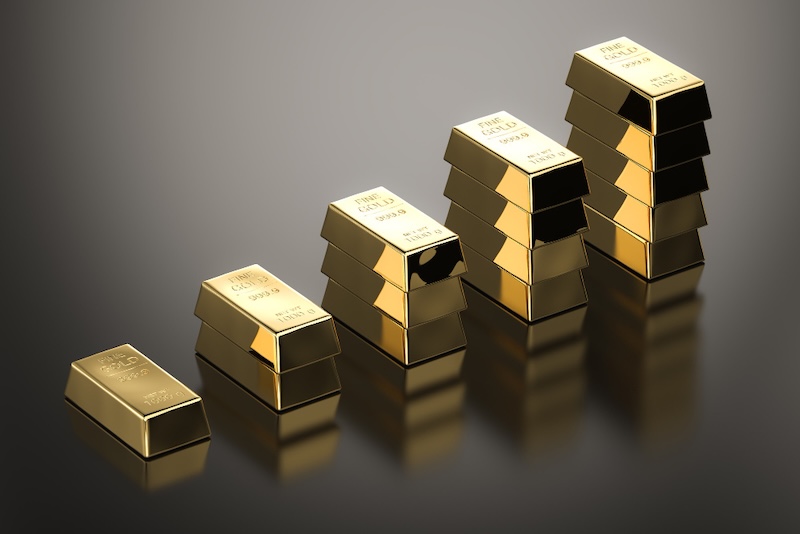
Gold does not generate earnings or dividends. Instead, its appeal has traditionally centered around scarcity, durability and its historical role as a store of value.
During inflationary environments, investors often look for assets perceived as less vulnerable to currency depreciation.
Historical Gold Performance During Inflationary Periods
| Period | Inflation Environment | Gold Performance Trend |
|---|---|---|
| 1970s Inflation Crisis | High inflation & oil shocks | Strong long-term gains |
| 2008 Financial Crisis | Monetary expansion | Gold reached record highs |
| 2020–2022 Inflation Surge | Rapid CPI acceleration | Renewed investor demand |
While past performance does not guarantee future results, gold has historically remained part of the conversation during periods of economic stress.
Geopolitical Risk Is Adding More Pressure
The renewed conflict involving Iran and instability around the Strait of Hormuz — a major global oil shipping route — has amplified inflation concerns.
Energy markets remain highly sensitive to supply disruptions, and rising crude prices tend to filter quickly into transportation, manufacturing and consumer goods.
This creates a chain reaction across the economy:
- Higher shipping costs
- More expensive airline fuel
- Increased grocery transportation costs
- Rising consumer prices nationwide
For investors, geopolitical uncertainty often increases interest in defensive assets.
Gold has traditionally been viewed as one of those assets.
Diversification Is Becoming a Bigger Conversation
Financial advisors frequently stress diversification during uncertain economic environments.
That conversation increasingly includes alternative assets beyond traditional stocks and bonds.
For some retirement savers, precious metals may represent:
- Portfolio diversification
- Inflation protection
- A hedge against currency weakness
- Reduced exposure to market volatility
- Tangible hard assets outside the banking system
Physical gold and silver can also be held inside certain self-directed retirement accounts, allowing investors to gain exposure to precious metals within a tax-advantaged structure.
Gold IRA Interest Has Continued Growing
Search interest and consumer awareness surrounding Gold IRAs has increased considerably over the last several years as inflation, debt levels and geopolitical uncertainty remain elevated.
Reasons Americans Explore Gold IRAs
| Motivation | Why It Matters |
|---|---|
| Inflation concerns | Preserve purchasing power |
| Market volatility | Diversify beyond equities |
| Dollar weakness fears | Hedge currency depreciation |
| Retirement protection | Add tangible assets |
| Geopolitical instability | Reduce concentration risk |
Not every investor allocates the same percentage toward precious metals, and allocation strategies vary depending on risk tolerance, retirement goals and market outlook.
Still, many investors increasingly view diversification itself as the priority.
The Bigger Picture: Americans Are Looking for Stability
Inflation impacts more than grocery receipts.
It affects confidence, retirement planning and long-term financial security.
When Americans see fuel prices jump nearly 30%, airfare surge above 20%, and food staples continue climbing, many begin reassessing how exposed their savings are to inflationary pressures.
That reassessment is one reason precious metals remain part of the national financial conversation in 2026.
Frequently Asked Questions
Is gold considered a hedge against inflation?
Gold has historically been viewed by many investors as a hedge against inflation because it tends to retain value over long periods while fiat currencies may lose purchasing power.
Can gold be held inside a retirement account?
Yes. Certain self-directed IRAs allow investors to hold approved precious metals, including gold and silver, subject to IRS rules and custodial requirements.
Why do investors buy gold during economic uncertainty?
Investors often turn to gold during periods of inflation, geopolitical tension or market volatility because it has historically been viewed as a defensive asset and store of value.
Does gold always rise during inflation?
No investment moves in a straight line. While gold has historically performed well during many inflationary periods, prices can fluctuate based on interest rates, investor sentiment, central bank activity and broader market conditions.
What types of precious metals can be held in a Gold IRA?
Depending on IRS eligibility standards, investors may be able to hold:
- Gold
- Silver
- Platinum
- Palladium
through approved self-directed retirement accounts.
Final Thoughts
Rising prices are once again becoming a central issue for American households.
As inflation pressures fuel, groceries, travel and everyday expenses, many retirement savers are reconsidering how diversified their portfolios truly are.
For investors looking to reduce concentration risk and explore alternative stores of value, precious metals continue to attract attention as part of a broader long-term strategy.
To learn more about the different precious metals options available for retirement diversification, call GoldenCrest Metals at 833-426-3825 to speak with a specialist. You may discover retirement diversification opportunities and precious metals strategies you did not even realize were available.
Compliance Disclaimer
This article is for informational purposes only and should not be considered financial or investment advice. All investments involve risk, including possible loss of principal. Past performance does not guarantee future results. Investors should consult with qualified financial and tax professionals before making investment decisions involving precious metals or retirement accounts.