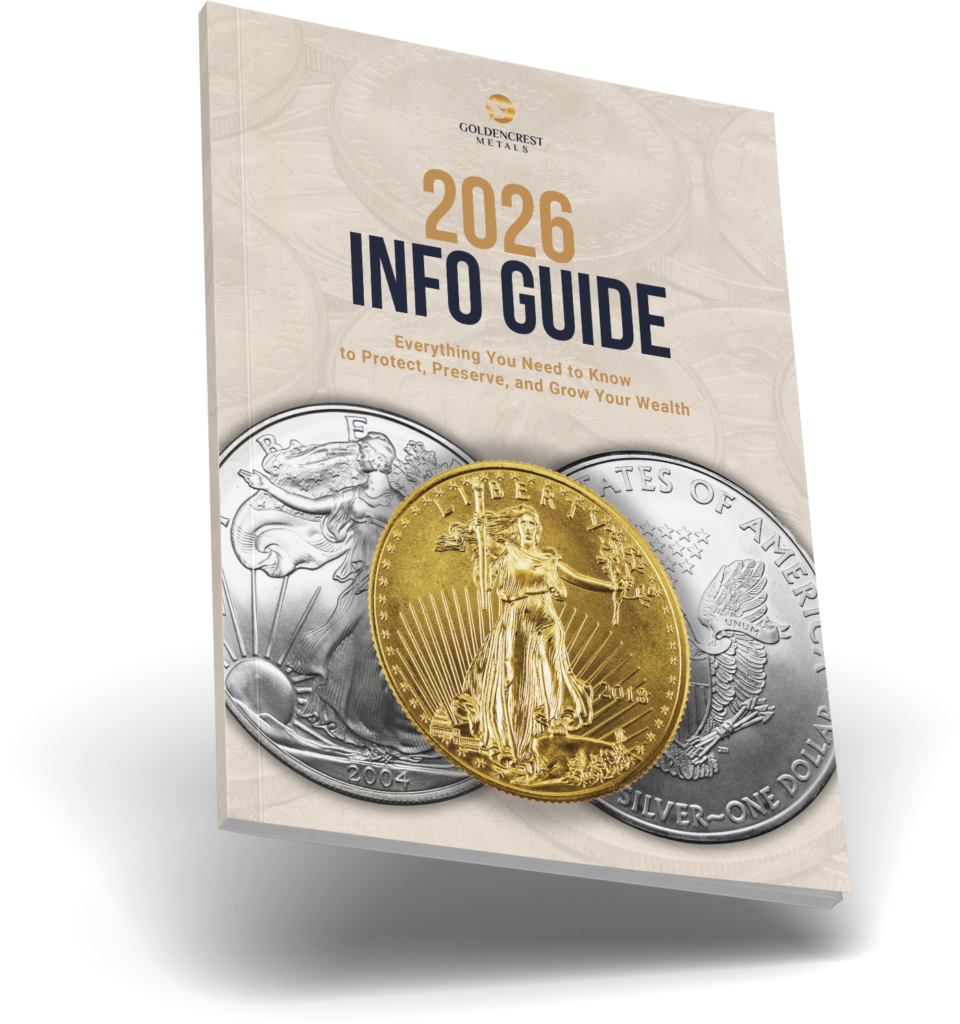

Gold’s role in global portfolios is evolving rapidly, and leading Wall Street analysts believe the metal is entering a decisive phase. Amid shifting monetary policy, intensifying geopolitical competition, and structural changes in reserve management, gold is increasingly viewed not as a tactical hedge—but as a core strategic asset.
In their latest long-term outlook, analysts at Goldman Sachs project gold prices climbing toward the upper end of historical high forecasts by late 2026. Their analysis places gold at the center of a broader reallocation driven by central banks, private investors, and macroeconomic uncertainty.
A Commodity Market Reshaped by Monetary Policy
Commodity markets have already delivered outsized returns, with precious metals leading the advance. Analysts point to the confluence of easing financial conditions and resilient global growth as a powerful tailwind.
Lower interest rates historically support non-yielding assets like gold by reducing opportunity costs. With expectations for multiple rate cuts over the next two years, analysts see conditions aligning for sustained strength across metals—especially gold.
At the same time, equity and bond correlations have increased, reducing the diversification benefits of traditional portfolios. Gold’s low correlation and inflation-hedging characteristics have reasserted their value.
Two Structural Forces Driving Gold Higher
Analysts identify two dominant themes shaping the commodities outlook into 2026:
1. Geopolitical Competition and Reserve Realignment
Global power dynamics are increasingly influencing how nations manage reserves. The freezing of sovereign assets earlier this decade fundamentally altered perceptions of financial risk, particularly among emerging market central banks.
As a result:
-
Central banks have accelerated gold purchases
-
Reserve diversification has become a strategic priority
-
Physical gold is increasingly favored over dollar-denominated assets
Gold’s neutrality and lack of counterparty risk position it uniquely in this environment.
2. Energy and Supply Concentration Risks
Commodity supply chains remain highly concentrated geographically. This increases vulnerability to political friction, trade disputes, and technological competition—especially in energy and industrial inputs.
Gold benefits indirectly from these risks as investors seek assets insulated from supply shocks and currency instability.
Central Banks Remain the Market’s Anchor Buyer
Central bank demand has emerged as one of the strongest and most consistent drivers of gold prices. Analysts estimate purchases well above historical norms, reflecting a structural rather than cyclical shift.
Key drivers include:
-
Elevated geopolitical risk awareness
-
Underweight gold allocations among emerging market central banks
-
Strategic diversification away from fiat reserves
Unlike speculative flows, central bank demand tends to be persistent and price-insensitive, providing a durable floor for the market.
Private Investors: The Next Catalyst
While institutional buying has dominated headlines, analysts believe private investors represent the next phase of upside potential.
Gold allocations in U.S. financial portfolios remain historically low compared to prior peaks. Even modest increases in allocation levels could materially impact prices due to gold’s relatively small market size.
Analysts estimate that incremental portfolio shifts—rather than price-driven inflows—could significantly amplify gold’s upside over the next two years.

Why Gold Still Matters in Modern Portfolios
Gold’s relevance today extends beyond inflation hedging. Analysts emphasize its role as portfolio insurance in an era where:
-
Supply disruptions can trigger inflation and slow growth simultaneously
-
Equity and bond portfolios may underperform together
-
Currency confidence is increasingly tested
In such environments, gold has historically delivered both protection and performance.
Gold Price Outlook Through 2026
Analysts expect near-term volatility but see a clear upward trajectory over the medium term:
-
Early 2026: Temporary consolidation as markets adjust to policy shifts
-
Mid-2026: Renewed momentum as rate cuts take effect
-
Late 2026: New all-time highs as institutional and private demand converge
Longer-term projections place gold near the upper end of historical all time high price targets, reflecting structural rather than speculative drivers.
What This Means for Long-Term Gold Investors
Gold’s outlook is increasingly shaped by forces that extend beyond traditional market cycles. Central bank behavior, geopolitical realignment, and portfolio diversification trends suggest demand drivers that may persist well into the next decade.
For investors evaluating gold’s role today, the conversation has shifted from timing the trade to understanding long-term positioning.
Final Thoughts
As global financial systems adapt to rising geopolitical risk and changing monetary conditions, gold continues to distinguish itself as a strategic asset rather than a speculative one.
If you’d like to understand how physical gold or precious metals may fit into your long-term financial strategy, speak directly with a GoldenCrest Metals specialist today.
📞 Call 833-426-3825 now to learn more and get personalized guidance from an experienced professional.
Sources: