
Inflation and gold are back in the spotlight as Americans head toward 2026 and take a hard look at rising prices and growing government debt. For most families, this isn’t theoretical. Groceries cost more. Insurance costs more. Housing costs more. And when inflation sticks around, people start asking serious questions about how to protect their money.
That’s where gold and silver re-enter the conversation.
Not as hype. Not as fear. But as history.
Inflation and Gold in Everyday Life
Inflation shows up quietly. It doesn’t arrive with sirens. It shows up in smaller grocery bags, higher utility bills, and insurance renewals that make people wince.
Even when inflation slows, prices usually don’t fall back. They settle higher. Over time, that erodes purchasing power and punishes savers.
This is why inflation and gold have stayed linked for generations. When cash buys less, people look for assets that hold value instead of promises.

Government Debt Is Changing the Equation
The United States is carrying more debt than at any point in its history. Borrowing no longer rises only during crises. It rises year after year.
That creates real pressure:
-
Interest payments grow larger
-
Budget choices shrink
-
Policy mistakes carry bigger consequences
The Federal Reserve sits in the middle of this problem. Higher rates help slow inflation, but they also make debt more expensive. Lower rates ease debt pressure, but they risk pushing inflation higher again.
There are no easy exits from this situation.
Inflation and Gold Heading Into 2026
Economic shifts don’t happen overnight. They build slowly, then suddenly feel obvious.
In 2026, several forces may collide:
-
Large amounts of government debt refinancing at higher rates
-
Continued pressure on entitlement programs
-
Ongoing global tension affecting trade and energy
-
Growing skepticism toward long-term fiscal discipline
None of this guarantees chaos. But it does explain why inflation and gold are getting renewed attention now instead of later.
Why Gold Has Always Mattered During Inflation
Gold doesn’t rely on policy decisions. It doesn’t depend on central banks. And it can’t be created with a keystroke.
That’s why gold has held value through wars, debt cycles, and inflationary periods.
Gold tends to matter most when confidence weakens. Not panic — confidence. When people start questioning whether today’s financial rules will still work tomorrow, gold becomes relevant again.
Silver’s Role Alongside Gold
Silver often gets less attention, but it plays an important role.
Unlike gold, silver is used heavily in industry. Electronics, medical equipment, and energy technologies all rely on it. That creates steady demand even when markets feel uncertain.
Historically, silver has also moved strongly during periods when interest in precious metals broadens beyond gold alone.
Together, gold and silver offer different strengths inside the same category.
Inflation and Gold in Retirement Planning
Inflation hits retirees harder than anyone else. Fixed income loses power quickly when prices rise. Bonds struggle when rates change. Market swings feel personal.
This is why many retirees consider physical gold and silver as part of a balanced plan. Inflation and gold planning focuses on protecting purchasing power, not chasing returns.
Precious metals are not replacements for traditional assets. They are counterweights.
Planning Without Panic
Gold and silver don’t require panic to make sense. They require realism.
-
Inflation reduces what money can buy
-
Debt limits future options
-
Hard assets sit outside political systems
For many Americans, inflation and gold planning simply means acknowledging that the next decade may not look like the last one.
Speak With a Precious Metals Specialist
If you want to understand how inflation, debt, and long-term economic trends could affect your savings or retirement, a real conversation helps.
Call GoldenCrest Metals at 833-426-3825 to speak with a precious metals specialist.
You’ll get clear, straightforward answers about physical gold and silver and how they may fit into your long-term strategy.
📞 Call 833-426-3825 today to learn more.
Frequently Asked Questions About Inflation and Gold
Will inflation still matter in 2026?
Yes. Inflation rates may change, but higher prices tend to stay. That makes long-term planning important.
Why does government debt affect investors?
Debt influences interest rates, currency strength, and policy decisions. All of these affect savings.
Is gold a safe investment?
No asset is risk-free. Gold has historically held value during inflation and uncertainty.
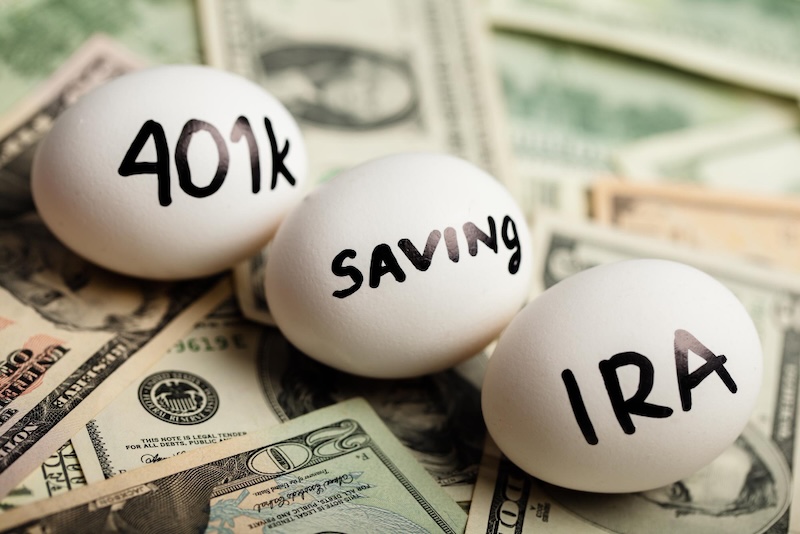
Can gold and silver be used in retirement accounts?
Yes. Physical gold and silver can be held in approved retirement accounts when IRS rules are followed.