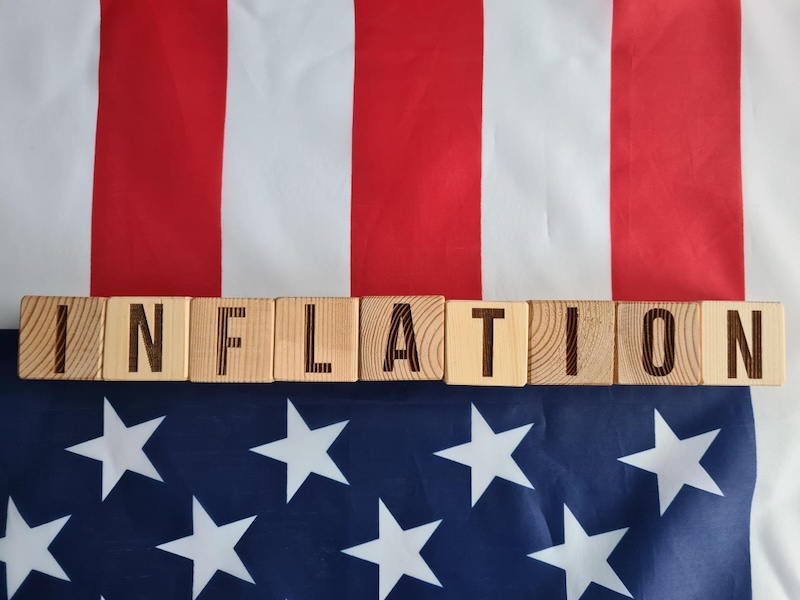
Inflation is once again at the center of the economic conversation after new data showed wholesale prices rising far more than expected in January. The hotter reading immediately rattled markets and complicated the Federal Reserve’s timeline for potential interest rate cuts.
Fresh figures from the Bureau of Labor Statistics showed producer prices accelerating sharply, reinforcing concerns that price pressures remain embedded in parts of the economy.
Wholesale Inflation Prices Deliver a Surprise
The Producer Price Index, which tracks costs businesses pay before those expenses reach consumers, rose 0.8% on a core basis for the month. That increase was well above forecasts and marked a step up from December.
Headline wholesale prices climbed 0.5%. On a year-over-year basis, core price growth is running at 3.6%, with the broader measure at 2.9% — both above the Federal Reserve’s 2% target.
When producer costs rise this quickly, it often suggests consumer inflation may remain elevated in the months ahead.
Services Costs Lead the Move Higher
The latest increase was driven primarily by services.
Service-related prices rose 0.8%, the largest monthly gain since mid-2025. Trade services jumped notably, accounting for a significant portion of the overall advance.
Goods prices painted a mixed picture. Energy and food costs declined, but metals prices rose sharply. That divergence shows inflation pressures are not uniform — but they remain persistent in key segments of the economy.
What This Means for Interest Rates
The Federal Reserve has made clear that it wants convincing evidence that price growth is cooling before cutting rates.
January’s data makes that more difficult. Markets had been anticipating potential rate relief later this year. Now, expectations are shifting toward a more cautious timeline.
Higher rates can offer better short-term yields, but they also create valuation pressure in equities and volatility across bond markets. When inflation remains above target, policy flexibility narrows.
Trade Policy and Economic Uncertainty
Trade policy continues to add another variable.
Some economists have warned that renewed tariff measures could contribute to higher costs in certain goods categories. While policymakers suggest those effects may be temporary, the broader economic backdrop remains uncertain.
Markets tend to react quickly when price data surprises to the upside, particularly when it intersects with political debate around interest rates and economic growth.

Why Inflation Still Matters for Retirement Planning
For Americans focused on retirement, inflation is more than a monthly statistic — it directly affects long-term purchasing power.
Even modest price increases compound significantly over a 20- or 30-year retirement horizon. Fixed income streams stretch thinner. Savings must work harder to maintain real value.
Periods of sustained price growth often prompt investors to review diversification strategies. When traditional stock and bond allocations face pressure from elevated rates and persistent inflation, many consider adding assets that are less directly tied to corporate earnings or monetary policy.
Gold and silver have historically served that role for some retirement savers, particularly during cycles of economic uncertainty and rising prices.
Inflation does not disappear overnight. It cools gradually, often unevenly. January’s wholesale report reinforces that reality.
For investors and retirees alike, the environment remains one where preparation — not prediction — matters most.
Speak With a Precious Metals Specialist
If inflation concerns and interest rate uncertainty have you reconsidering your retirement strategy, it may be time to explore broader diversification options.
Call GoldenCrest Metals at 833-426-3825 to speak with a specialist about how gold and silver IRAs can help strengthen and protect your long-term retirement portfolio.
AI Disclosure: This article was prepared with the assistance of artificial intelligence and reviewed for accuracy and clarity by the GoldenCrest Metals editorial team.
Sources: