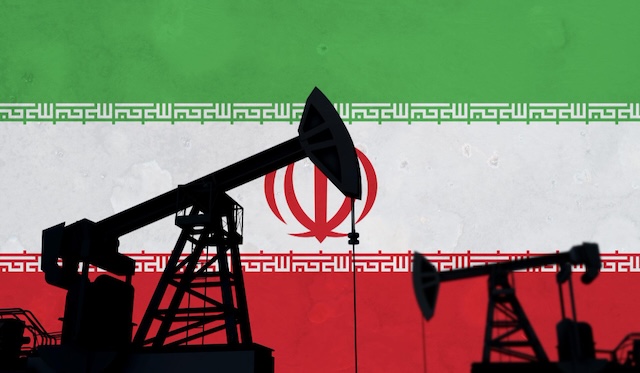
Iran’s threat to choke off the Strait of Hormuz—made after U.S. forces joined Israel in striking key Iranian nuclear sites—has thrust one of the world’s narrowest sea lanes back to the center of global market risk. Lawmakers in Tehran have already approved a measure to block the passage; final sign-off now rests with the Supreme National Security Council. If implemented, even a partial closure would reverberate across energy, freight, and currency markets within hours.
A Chokepoint Too Big to Fail
The Strait of Hormuz funneled an average 20 million barrels of crude and condensate per day in 2024 and carried similar volumes in early 2025. That’s roughly one-fifth of worldwide petroleum consumption and more than a quarter of global seaborne oil trade. Liquefied natural-gas cargoes equivalent to another fifth of the world’s LNG trade also passed through the corridor.
Because the passage narrows to less than 30 miles, even limited mining or missile activity could snarl tanker traffic. The largest single buyers—China, India, Japan, and South Korea—accounted for nearly 70% of all crude shipped through Hormuz. By contrast, the United States imported only about 500,000 barrels per day through the strait in 2024, giving it more flexibility in responding diplomatically or economically.
Washington’s Warning—and Beijing’s Stake
U.S. officials have urged China and other major importers to pressure Iran against any aggressive moves. For countries that rely heavily on energy flows through Hormuz, even a short disruption could send shockwaves through domestic economies and fuel inflation at home. While the United States could draw from its reserves or alternative sources, many Asian economies do not have that luxury.
Market Jitters and Oil Price Volatility
Crude oil futures spiked on initial reports of Iran’s threat, but gains moderated as immediate military escalation appeared less likely. Still, forward freight agreements surged, and insurers began raising premiums for ships entering the region. Even without a full blockade, higher shipping costs and re-routing via Africa could raise delivered crude prices by $3 to $5 per barrel.
Gold’s Safe-Haven Pulse
Geopolitical instability tends to increase demand for gold—and this event has been no exception. Spot gold prices climbed above $3,375 per ounce during peak tensions. With global investors increasingly seeking protection from unpredictable geopolitical events, the metal’s role as a hedge is front and center again.
Long-term investors continue to favor gold as a strategic asset immune to sanctions, inflationary spikes, and fiat devaluation. Even as central banks tread cautiously with rate decisions, supply-driven inflation from energy disruptions remains a persistent threat.
Ripple Effects on Inflation and Policy
The Gulf already accounts for nearly a third of global tanker freight. A prolonged disruption would absorb available shipping capacity, delay deliveries, and tighten supply chains. Inflation in energy-intensive economies could rise quickly, putting pressure on central banks to maintain or raise interest rates instead of cutting them.
This dynamic strengthens the case for hard assets like gold, which offer portfolio stability during prolonged periods of currency devaluation or macroeconomic stress. Investors are already shifting allocations into gold and other metals as insurance against policy uncertainty and geopolitical miscalculations.
Why Precious Metals Matter Now
Every major Middle East supply scare—from the 1979 Iranian revolution to more recent conflicts—has triggered increased interest in gold and silver. With today’s elevated market valuations and record central bank purchases, the global precious metals market is positioned as a key refuge for capital seeking safety and value preservation.
Retail and institutional investors alike are turning to physical gold and silver as part of long-term diversification strategies. And while bullion prices have significantly appreciated over the past two decades, they remain underrepresented in most global portfolios—leaving room for growth and rebalancing.
The Bottom Line
Whether or not Iran follows through with its threat to close the Strait of Hormuz, the message to global markets is clear: energy security and global trade routes are far more fragile than they appear. For investors, the implications are real—higher oil prices, renewed inflation, supply chain stress, and currency volatility.
In this environment, gold is more than a commodity—it’s protection. It’s portfolio insurance. And it’s one of the few assets that performs when everything else is uncertain.
To explore how physical precious metals can shield your savings from global volatility, connect with a specialist at GoldenCrest Metals today. We’ll walk you through your options for bullion, coins, and Gold IRAs tailored to your long-term goals.