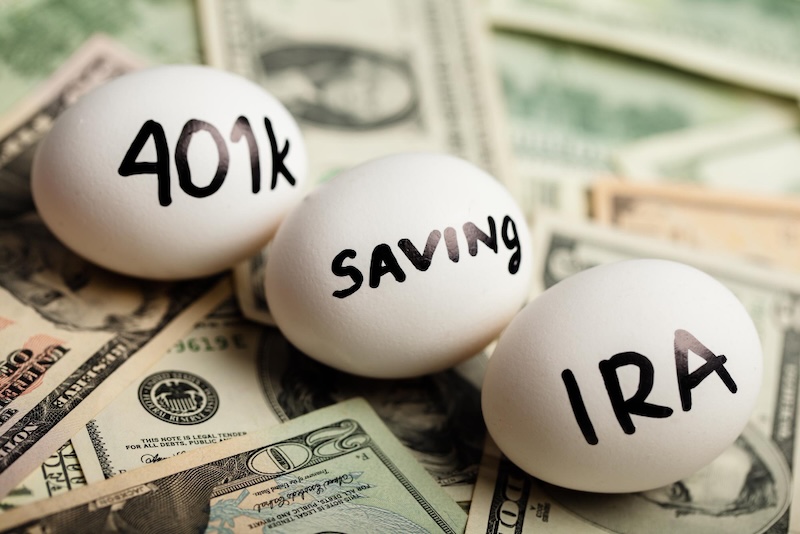

A Silver IRA is a self-directed individual retirement account that allows you to hold physical silver bullion and other IRS-approved precious metals inside a tax-advantaged retirement account.
Unlike traditional IRAs that are limited to stocks, bonds, and mutual funds, a Silver IRA gives you direct ownership of tangible assets. Many investors searching for these are looking to:
-
Hedge against inflation
-
Diversify outside traditional markets
-
Protect retirement savings from market downturns
Before opening a Silver IRA, it’s important to understand how it works, 2026 IRS contribution limits, costs, and whether silver aligns with your retirement strategy.
How Does a Silver IRA Work?
A Silver IRA functions like a traditional or Roth IRA, but with one major difference — instead of paper assets, the account holds physical silver.
Silver IRAs are self-directed, meaning you control the choice of qualifying precious metals you hold. To establish one, you typically work with:
-
A self-directed IRA custodian
-
A precious metals dealer
-
An IRS-approved depository
Once funded, your account’s contributions or rollovers are used to purchase IRS-approved silver bullion that is securely stored in a depository.
Rules and IRS Requirements
Silver IRAs must follow strict IRS regulations that govern metal purity, contributions, and withdrawals.
Purity Requirements
To qualify for a Silver IRA:
-
Silver must be at least 99.9% pure (.999 fine)
-
Only IRS-approved bars and specific government-minted coins are eligible
2026 Contribution Limits
For tax year 2026, the IRS increased retirement contribution limits:
-
Traditional and Roth IRA contributions: up to $7,500
-
Catch-up contributions (age 50+): additional $1,100
-
Maximum total for those 50 or older: $8,600
(These limits apply across all IRA accounts combined — you can’t exceed them even if contributing to multiple IRAs.)
Withdrawal Rules
-
You can generally take penalty-free withdrawals at age 59½
-
Withdrawals before then may incur a 10% early withdrawal penalty, plus applicable taxes
Silver held must be stored in an IRS-approved depository — home storage is not permitted.
Types of Silver IRAs
There are three main types, each with distinct tax treatment:
Traditional Silver IRA
-
Contributions grow tax-deferred
-
Taxes are owed when withdrawals begin
-
Potential upfront tax deductions
Roth Silver IRA
-
Contributions are made with after-tax dollars
-
Qualified withdrawals are tax-free
-
Income limits apply
SEP Silver IRA
Designed for business owners and self-employed individuals:
-
Allows contributions up to 25% of compensation, with a maximum of $72,000 in 2026. (Source)
-
Contributions are tax-deductible
Pros and Cons of a Silver IRA
Pros
-
Inflation hedge: Silver may preserve purchasing power when currencies weaken
-
Diversification: Adds tangible assets to a traditional portfolio
-
Physical ownership: Metals are not tied to financial markets
-
Tax advantages: Benefits depend on the IRA type
Cons
-
Price volatility: Silver often fluctuates more than gold
-
No income generation: Doesn’t pay interest or dividends
-
Liquidity risk: Selling in downturns can lock in losses
-
Custodial & storage costs: Fees can reduce returns
Silver IRAs are typically most effective as part of a long-term, diversified strategy.
How to Invest
If you’re actively researching Silver IRA investing, here’s what to expect:
Step 1: Confirm Eligibility
You must have taxable earned income, just like other IRA types.
Step 2: Choose a Self-Directed IRA Custodian
Not all custodians support precious metals — select one experienced in Silver IRAs.
Step 3: Select IRS-Approved Silver Products
Work with a reputable precious metals dealer to acquire qualifying silver bullion.
Step 4: Store Silver in an Approved Depository
Your metals will need to be stored in a secure, IRS-approved facility with proper insurance and reporting.

Is a Silver IRA a Good Investment?
A Silver IRA may be ideal if you want to:
-
Hedge against inflation
-
Diversify beyond stocks and bonds
-
Add tangible assets to your portfolio
However, due to silver’s price volatility and extra fees, many investors choose to allocate only a portion of their retirement portfolio to precious metals.
Silver IRA FAQs
What is a Silver IRA?
A Silver IRA is a self-directed retirement account that allows investors to hold physical silver and certain other IRS-approved precious metals in a tax-advantaged IRA structure.
Is a Silver IRA the same as a Precious Metals IRA?
Yes. This is a type of Precious Metals IRA, which can also include gold, platinum, and palladium if the metals meet IRS eligibility standards.
What silver is allowed?
Silver must meet 99.9% purity and be in approved forms, such as specific bullion bars and government-minted coins.
Can I store the metals at home?
No. IRS rules require the metals to be stored in an approved depository. Home storage is not permitted.
The contribution limits for 2026
In 2026, the IRA contribution limit is $7,500, with an additional $1,100 catch-up for those age 50 or older, resulting in a maximum of $8,600.(Source)
When can I withdraw without penalty?
Penalty-free withdrawals generally begin at age 59½. Withdrawals before that may incur a 10% penalty and taxes, depending on the account type.
What fees are associated?
Common costs include custodian fees, storage fees, and depository insurance — all of which can impact investment performance.
The Bottom Line
A Silver IRA allows investors to hold physical silver in a tax-advantaged retirement account, offering diversification and potential inflation protection. While silver can play a strategic role in a long-term retirement plan, it’s important to weigh volatility and costs before making a decision.
Speak With a Specialist
Choosing the right IRA setup — and the right precious metals — can make all the difference.
Call GoldenCrest Metals today to speak with a specialist at 833-426-3825 and learn how silver may fit into your retirement strategy.
Disclaimer
This content is for educational purposes only and does not constitute financial, investment, tax, or legal advice. Always consult a qualified professional before making any investment decisions, as individual circumstances and risks vary.